Why so many rebrands are failing epically in 2026
When we speak to clients about brand identity and rebrands, they usually say, “This is the most fun meeting I’ve had all day.” It is fun! New logo, new color palette, new font, a press release about “evolving the brand.” But if six months later, nothing’s actually different, the rebrand didn’t do its job.
Rebranding is more than the pretty colors and fun new look. It’s an opportunity to clarify your positioning, get tight on speaking to your target audience, and present the direction of your creative output to fire up your high-growth channels.
A rebrand isn’t a redesign
This is the confusion at the center of almost every failed rebrand. A redesign changes how your brand looks. A rebrand is supposed to change what your brand actually is, how it’s positioned, what it stands for, who it’s for, what it says and doesn’t say.
Brand strategy is about the foundation under the design. Who are you actually for? What do you believe that your competitors don’t? What’s the one thing people should think when they hear your name? If you can’t answer those clearly, a new logo isn’t going to save you. It’s going to look great on a brand that still doesn’t know what it’s saying.
Why brands skip the hard part
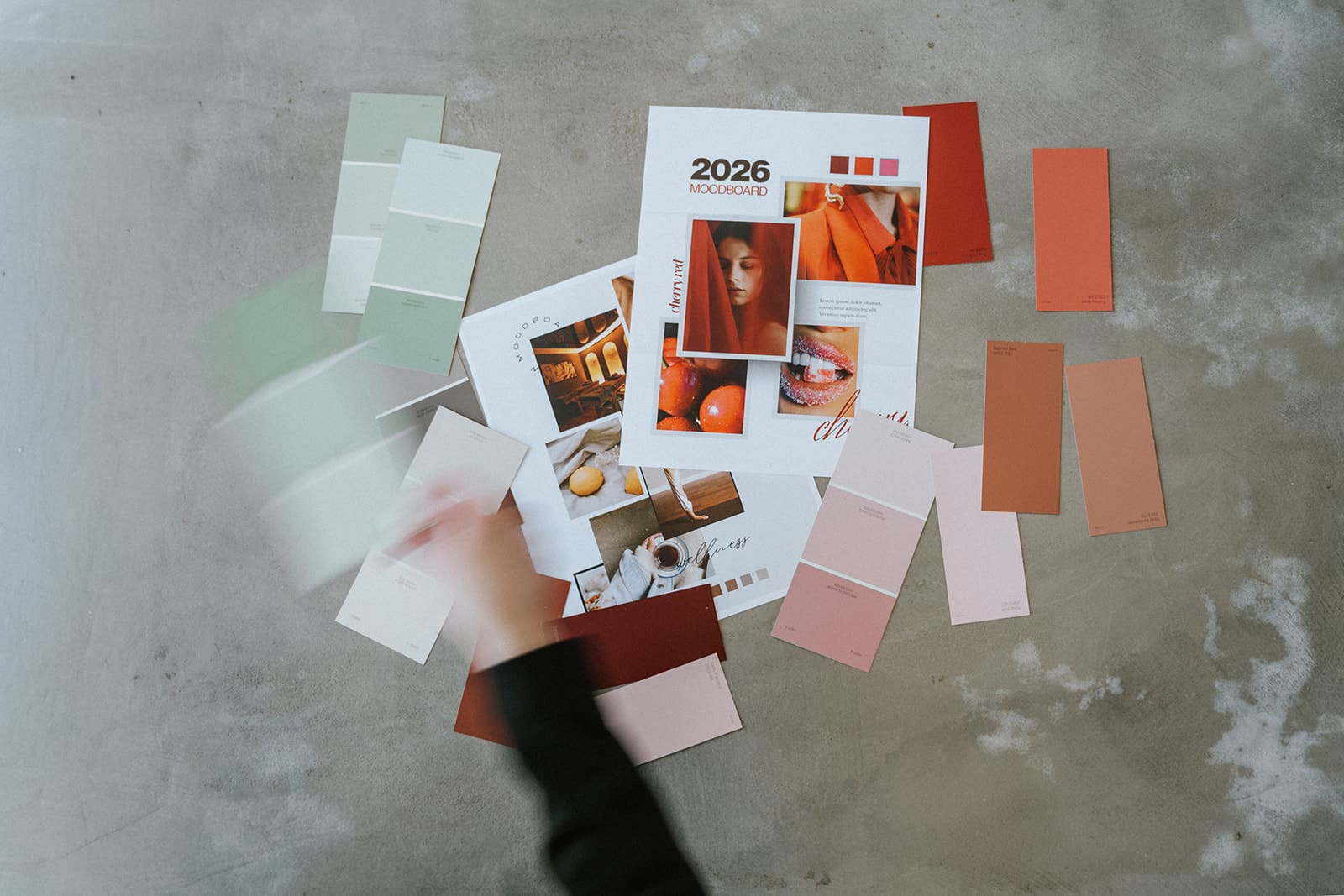
Visual work is satisfying. You get mood boards, color swatches, a shiny new website. It feels like progress because you can see it.
Strategy work is slower and less visible. It means sitting in a room and admitting your positioning has been vague for two years. It means making real decisions about who you are and aren’t not for. It’s about looking at your mission and vision through a more critical lens.
So brands skip it. They go straight to the visual refresh because it’s faster, it’s tangible, and it doesn’t require anyone to have an uncomfortable conversation about what’s actually wrong.
What a real rebrand requires
Start inside, not outside. Before anyone touches a logo, your team needs alignment on who, what, how, and why. When you work with a marketing firm on brand strategy and rebrands, they’ll be hosting interviews with your team. They’ll be getting you to step all the way back to challenge where you’ve been and where you’re going. It should feel consultative before creative.
Get specific about who you’re for. Vague positioning (“we’re for everyone who values quality”) isn’t positioning. The brands that rebrand successfully usually narrow before they grow. They get sharper about exactly who they’re talking to, and the visual identity becomes an expression of that clarity, not a substitute for it.
Audit what’s broken. Sometimes the problem isn’t the brand at all, it’s an internal process problem wearing a branding costume. A rebrand can’t fix unclear offers, inconsistent messaging across the team, confusing pricing, or a sales process that contradicts the marketing. Know what you need to solve before you start.
Build the story before the visuals. The best creative comes from a sharp strategic foundation. If you start with mood boards before you’ve nailed the positioning, you end up with a beautiful brand that still doesn’t say anything.
What’s actually working in 2026
The brands seeing real traction from a rebrand aren’t the ones with the boldest visual swing. They’re the ones who did the unglamorous work first, got internal alignment, stayed specific about the audience, stayed honest about what wasn’t working, and let the visual identity follow from there.
It’s slower. It’s less Instagrammable as a process. But it’s the difference between a brand that looks different and a brand that truly is different.
How Zage approaches this
We start every brand engagement from the inside out. Before we touch a single visual element, we get the team aligned on who you are, who you’re for, how you operate, and why it all matters. That foundation is what makes the creative work. Skip it, and you’re just redecorating.
If you’re up against brand confusion, that’s the conversation worth having first.
June 30, 2026
30-minute consultation. On us.
Tell us about yourself and your goals. We’ll be in touch within 24 hours.